
Socialization of AI & IoT-Based Waste Reactors and Web Launching in Cangkuang Kulon Village
Bandung, July 5, 2025 – Waste management in Bandung remains a major issue that requires sustainable solutions. With a population of around 2.5 million, the city produces approximately 1,400 tons of waste every day. Without proper management, waste accumulation not only degrades the environment but also has the potential to cause air and water pollution. To address this challenge, the Pengabdian kepada Masyarakat (Abdimas) has introduced an innovation in the form of an Artificial Intelligence (AI) and Internet of Things (IoT)-based Waste Reactor developed to process waste more effectively, while also launching a website platform as a medium for integrated waste management education.
Waste reactors are a technology that can reduce waste volume by up to 90%, supply energy to cities, eliminate air and water pollutants, and produce ash that can be reused as building materials or fertilizer, or even as feed for livestock such as chickens. With these capabilities, these reactors are not only the answer to the problem of waste accumulation, but also open up new economic opportunities from waste processing.
The outreach activity, which took place on July 5, 2025, involved residents of Cangkuang Kulon Village. Representatives from the village administration were present, including Mr. Agus Ali as the person in charge of the village head, as well as several RT and RW heads representing the target community of the program.
Cooperation between universities, village officials, and the community is expected to create more targeted waste management programs. Feedback from residents is an important factor in ensuring that the technology introduced is truly suited to their daily needs.
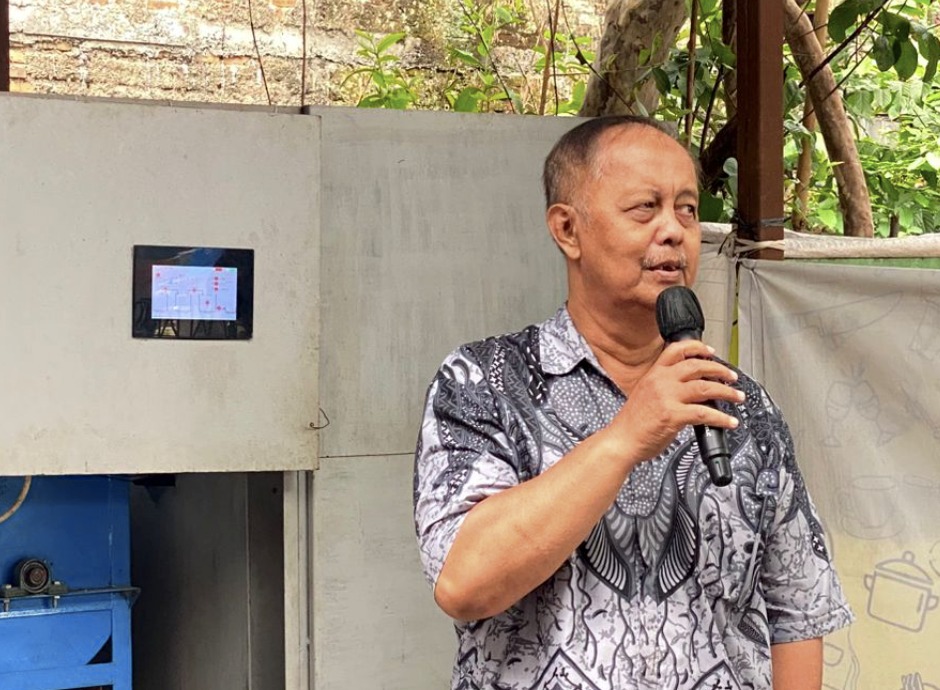
This event also featured a live presentation from reactor developer Doddy Natawijaya, representing the UMKM CV Karya Mulya Teknindo. He explained how the machine works automatically with the help of AI and IoT, thereby minimizing errors caused by human intervention. In addition, there was also a demonstration of the use of a hydrothermal reactor that utilizes hot water and high pressure to process waste into organic solids with economic value, such as animal feed.
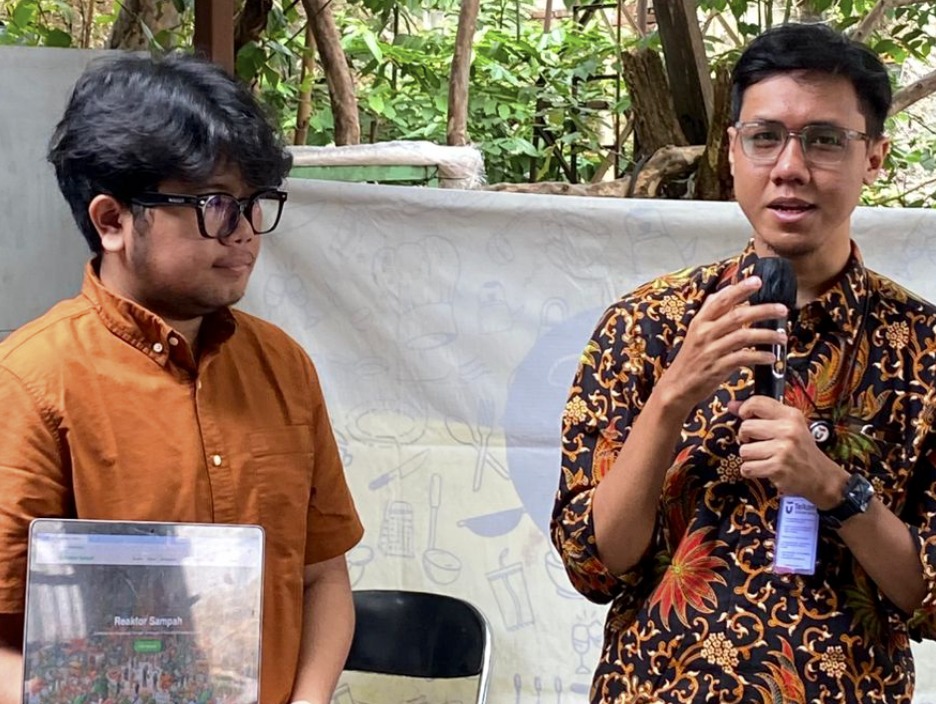
In addition to introducing the tools, the Abdimas program also launched an integrated waste management website. A more detailed explanation was provided by Dr. Aditya Firman Ihsan, who explained that this website is one of the methods used to implement the program. It is hoped that the website will expand the reach of socialization, provide the latest information, and serve as a platform for educating the public on the economic potential of waste management.
Cangkuang Kulon Village was chosen as the program location because it has strategic potential, such as bordering Cibaduyut District, the center of the shoe industry in Bandung City, facing high-volume waste management issues, still having illegal dumping practices, and having great opportunities to develop an economic perspective on waste.
Under these circumstances, the community service program in Cangkuang Kulon is expected to not only provide environmental solutions, but also open up new insights into how waste can be turned into valuable resources.
As part of the activities, education was provided on how to manage waste effectively while generating financial benefits. Through the synergy between reactor technology, community education, and digital platforms, this program is expected to become a model for integrated and sustainable waste management that can be replicated in other regions.
Through collaboration between universities, MSMEs, village officials, and the community, this concrete step is the first step towards cleaner, healthier, and more empowered communities through modern technology-based waste management.


